
The debate over whether form or function should take precedence in architecture is as old as the profession. For many, this debate pivots around the enduring principle, initially introduced by Louis Sullivan in 1896, that form follows function.
This idea has shaped modern architecture for over a century. Sullivan’s ideas, rooted in the Roman ideals of creating solid, sound, and beautiful architecture, reflect the value of function as a driving force. But is it still relevant today, or are there other ways to approach architecture in our increasingly complex world?
Must Form Follow Function in Architecture?
Sullivan’s “form follows function” dictum set the stage for functionalist architecture, where the purpose of a building defines its shape. This approach shaped entire movements, such as modernism and minimalism, which emphasized simplicity, practicality, and clarity in design.
According to architect Mies van der Rohe, “Less is more,” a phrase that became a central tenet in mid-20th-century architecture, urging architects to avoid unnecessary ornamentation and focus on pure, functional forms.
A prime example of a building by Mies van der Rohe that privileges function over form is the Farnsworth House in Plano, Illinois. Completed in 1951, this house showcases a minimalist design emphasizing transparency and simplicity.
The Farnsworth House is elevated on stilts, blending seamlessly with the surrounding landscape while protecting it from flooding. Its open floor plan and extensive use of glass create a fluid connection between the interior and exterior spaces, prioritizing functionality and the experience of nature over decorative elements.
The importance of function remains clear. For example, architects prioritize efficiency, hygiene, and patient comfort when designing a hospital. Similarly, the design of airports, factories, and schools hinges on practical use and space optimization.
Here, every design choice—from materials to layout—is influenced by the purpose of the building. But does this singular focus on function limit creativity?
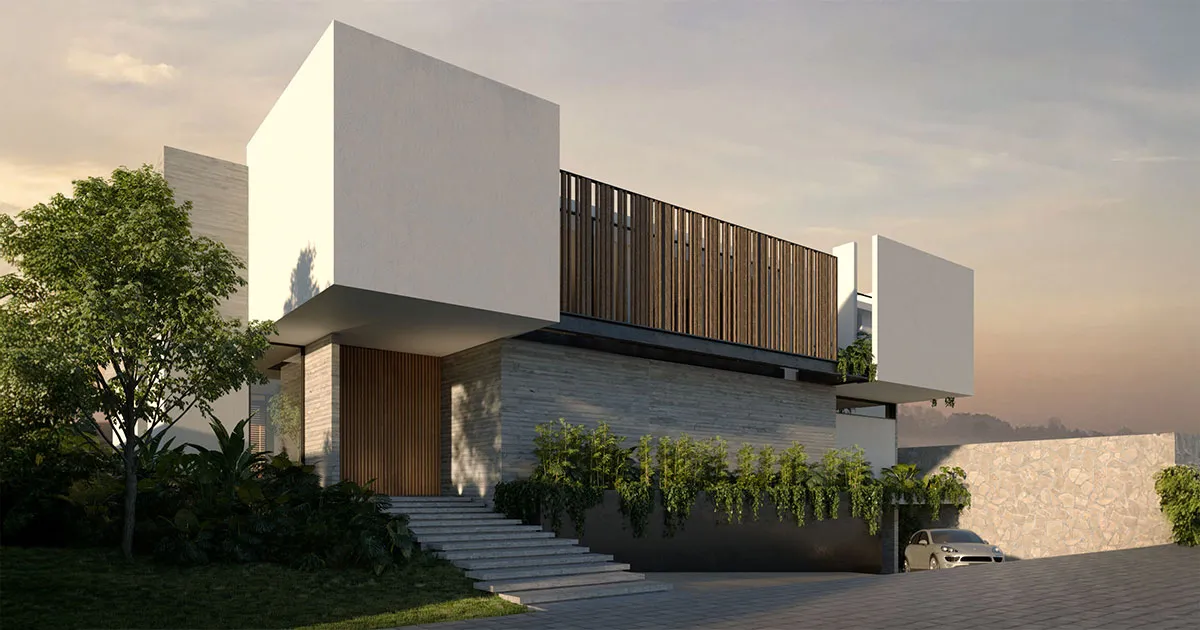
Related Project: See how RCC3 uses a clean, practical layout with minimal ornamentation to achieve modern elegance in Los Cabos.
Is Architecture the Object Itself?
With the advent of postmodernism in the late 20th century, some architects began to question functionalism, embracing the idea of architecture as an expressive, independent object. This approach shifted away from Sullivan’s maxim, treating buildings as works of art, where aesthetics could take precedence over practical use.
Take Frank Gehry’s Guggenheim Museum in Bilbao, Spain. Its dramatic, curving forms are more sculpture than structure, embodying the idea that a building can be iconic. Gehry once stated, “Architecture should speak of its time and place but yearn for timelessness.” Here, function is secondary to form, with the museum’s dramatic shape aiming to inspire and captivate, arguably at the expense of practical considerations.
Another significant example of a building by Frank Gehry that emphasizes form over function is the Walt Disney Concert Hall in Los Angeles, California, completed in 2003. The design features sweeping curves and a distinctive stainless-steel exterior that resembles a ship’s sails. The concert hall’s striking appearance prioritizes visual impact and artistic expression, often drawing attention to its sculptural quality rather than its functional aspects.
The object-centered approach has its roots in classical architecture, where monumental structures were designed as symbols. Today, many architects in this style emphasize aesthetics as a means of personal and cultural expression, seeing buildings as art forms that engage with their surroundings and communicate an identity.
Want to see expressive modernism in practice? Explore Casa A139, where form, rhythm, and light meet to express identity and place.
The Problem with Style Over Substance in Architecture
While designing buildings as objects can be visually compelling, style overshadowing substance is risky. When form is the main focus, functionality can become an afterthought, leading to spaces that, while stunning, may be challenging to use or maintain.
Architect Zaha Hadid’s work illustrates this challenge. Hadid, known for her futuristic, sweeping designs, creates buildings that often push the boundaries of structural engineering. Although her work is celebrated globally, critics argue that her designs sometimes sacrifice function for artistic expression.
Ricardo Legorreta, a renowned Mexican architect, often emphasized balancing functionality and beauty. “Architecture is not just about shelter,” he said; “it is about a celebration of life.” Legorreta’s work combines vibrant colors, natural light, and functional spaces, embodying a harmony between aesthetics and practicality.
One of Legorreta’s most iconic buildings is the Camino Real Hotel in Mexico City, completed in 1968. This hotel is celebrated for its vibrant colors, geometric forms, and integration of traditional Mexican architectural elements. The design of the Camino Real Hotel features a series of interconnected spaces that emphasize light and shadow.
This balanced approach highlights that while architecture can and should be beautiful, it must also serve its users effectively.
A Third Way to Think About Architecture
Some architects have sought to merge form and function, creating a hybrid approach that respects aesthetic and practical concerns.
Renowned Japanese architect Tadao Ando, for instance, combines minimalist forms with careful attention to the function and context of his projects. His use of materials such as concrete and his integration of natural light create visually stunning and highly functional spaces.
Ando’s approach underscores the importance of grounding aesthetic expression in the practical needs of the building’s purpose and location.
This balanced perspective is also evident in the work of architects like Renzo Piano. Known for the Centre Pompidou in Paris, Piano’s designs embrace innovation while respecting the functionality and identity of a building’s environment.
Piano believes that “architecture is about building responsibly,” a sentiment that reflects the need to create structures that harmonize with their settings and serve their intended purpose.
Learn more in our insights on Architecture Trends 2025, where we explore balance, sustainability, and smart design.
Is There a Right Way to Think About Architecture?
Ultimately, is there a correct answer to this form versus function debate? The answer lies not in choosing one over the other but in finding a harmonious balance.
A well-designed building should address its intended purpose while providing an inspiring experience for its users. It should be adaptable, meeting current needs while allowing room for future changes.
As society evolves, so does architecture. The best buildings of tomorrow may come from architects who, rather than taking a rigid stance, adapt to the specific needs of each project. This flexibility ensures that architecture remains relevant, beautiful, and valuable across generations.
A case in point is renowned Mexican architect Luis Barragán, who once said, “I believe that the space we inhabit is a reflection of our inner selves. It must be functional, but it must also be beautiful.” This quote underscores the ideal balance between form and function in architecture, emphasizing that while a structure must serve its purpose effectively, it should also resonate aesthetically with its occupants and their environment.
Indeed, Barragán’s work exemplifies this philosophy, as he masterfully integrates functional design with poetic beauty, creating practical and deeply moving spaces.
Final Thoughts
The debate between form and function in architecture is not a matter of one principle prevailing over the other but rather an exploration of how to achieve a harmonious balance between the two.
While the functionalist approach has undeniably shaped the architectural landscape and ensured buildings serve their intended purposes, the expressive potential of architecture as an art form cannot be overlooked.
By fostering a dialogue between aesthetic innovation and practical efficiency, architects can create spaces that are not only visually striking but also deeply functional and responsive to the needs of their users.
Ultimately, the best architectural designs embrace both qualities, enriching our environments and enhancing the human experience.